When the pandemic hit, service providers everywhere had to rethink how they worked. Whether you drove for ride-share apps, cleaned homes, delivered groceries, or offered personal care services, your daily routine turned risky overnight. You weren’t just fighting the virus-you were fighting fear, uncertainty, and new rules that changed by the week. The key wasn’t just to keep working. It was to keep working safely.
Some providers turned to niche platforms for support. One even found temporary work through escrote paris, a service that, while unrelated to typical gig work, showed how flexible demand could shift during lockdowns. It wasn’t about the nature of the job-it was about adapting fast when normal channels shut down.
Know the Real Risks, Not the Rumors
Early in the pandemic, people spread wild claims: the virus lived on surfaces for days, air conditioning spread it across rooms, masks were useless. Some of that was true. Most of it wasn’t. The CDC and WHO updated guidelines every few weeks. If you didn’t track those updates, you were flying blind.
What actually mattered? Close contact. Poor ventilation. Touching your face after handling shared items. That’s it. You didn’t need to disinfect every package. You did need to wash your hands after every job, avoid indoor spaces with no windows, and keep conversations short. One delivery driver in Melbourne told me he started doing his entire shift with a mask and gloves on, even when alone in his car. He said it cut his anxiety by 80%.
Protect Yourself Like a Pro
Here’s what actually worked, based on real data from health departments and worker surveys:
- Wear a well-fitting N95 or KN95 mask during every client interaction-no exceptions.
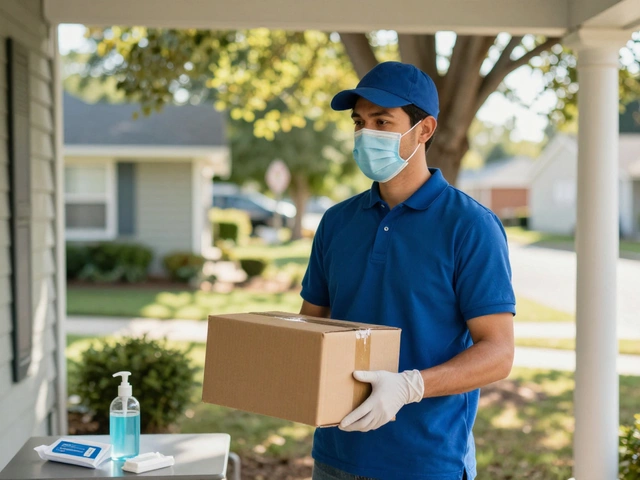
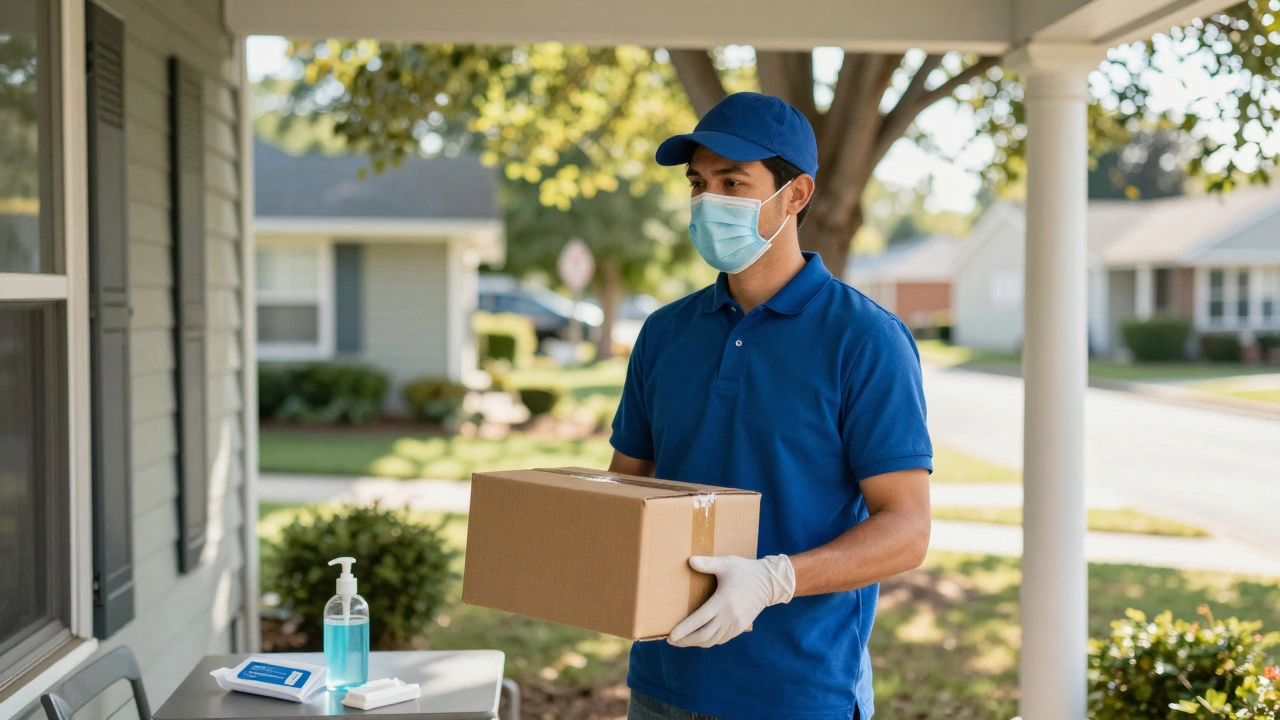
- Carry hand sanitizer with at least 60% alcohol. Use it before and after touching door handles, payment terminals, or packages.
- Ask clients to leave items outside or open doors themselves. No need to step inside unless absolutely necessary.
- Use contactless payment every time. Even if they offer cash, say no. Tap-to-pay apps are faster and safer.
- Keep a small supply of disposable gloves and wipes in your vehicle or bag. Change them between jobs.
One cleaner in Sydney started bringing her own cleaning supplies instead of using what clients had. She said it wasn’t about distrust-it was about control. If she didn’t know what chemicals were in their spray bottles, she couldn’t be sure they weren’t mixing bleach with ammonia. That’s the kind of detail that kept her healthy.
Set Boundaries Without Losing Income
You can’t say yes to every job. That’s not being picky-it’s being smart. Clients who refused to wear masks, insisted on indoor visits, or got angry when you asked for contactless payment? You had permission to decline. And you didn’t owe them an explanation.
Some platforms let you set filters: "No indoor appointments," "Mask required," "No cash." Use them. Others didn’t. So you made your own rules. One dog walker in Brisbane started posting a simple message on her profile: "I only walk dogs outdoors. No exceptions. Safety first." Her bookings didn’t drop. They grew. People respected clarity.
It’s okay to lose a client. It’s not okay to lose your health.

Stay Mentally Strong
The stress wasn’t just physical. It was emotional. You felt isolated. You worried about bringing something home to your kids. You saw friends get sick. You didn’t know who to trust.
One of the most effective tools? Routine. Wake up at the same time. Eat meals at regular hours. Take five minutes between jobs to breathe. Talk to someone-even if it’s just a voice note to a cousin you haven’t spoken to in months.
Some providers joined online groups for gig workers. Others started journaling. One taxi driver in Perth wrote down three good things that happened each day: "Client tipped me $20," "Saw a kangaroo on my drive," "My daughter laughed at my bad joke." He said it kept him from drowning in fear.
Know Where to Get Help
Government aid programs changed often. Some expired. Others opened unexpectedly. You had to stay on top of it. In Australia, services like JobKeeper and emergency grants for sole traders were lifelines. But you had to apply before deadlines.
Local community centers often had free mental health drop-ins. Some offered free PPE. Others connected workers with food banks or childcare help. You didn’t need to be broke to ask. You just needed to be tired.
One home care worker in Adelaide found out her local council offered free rapid tests for frontline workers. She started testing twice a week. She said it gave her peace of mind-and made clients feel safer too.
Adapt or Get Left Behind
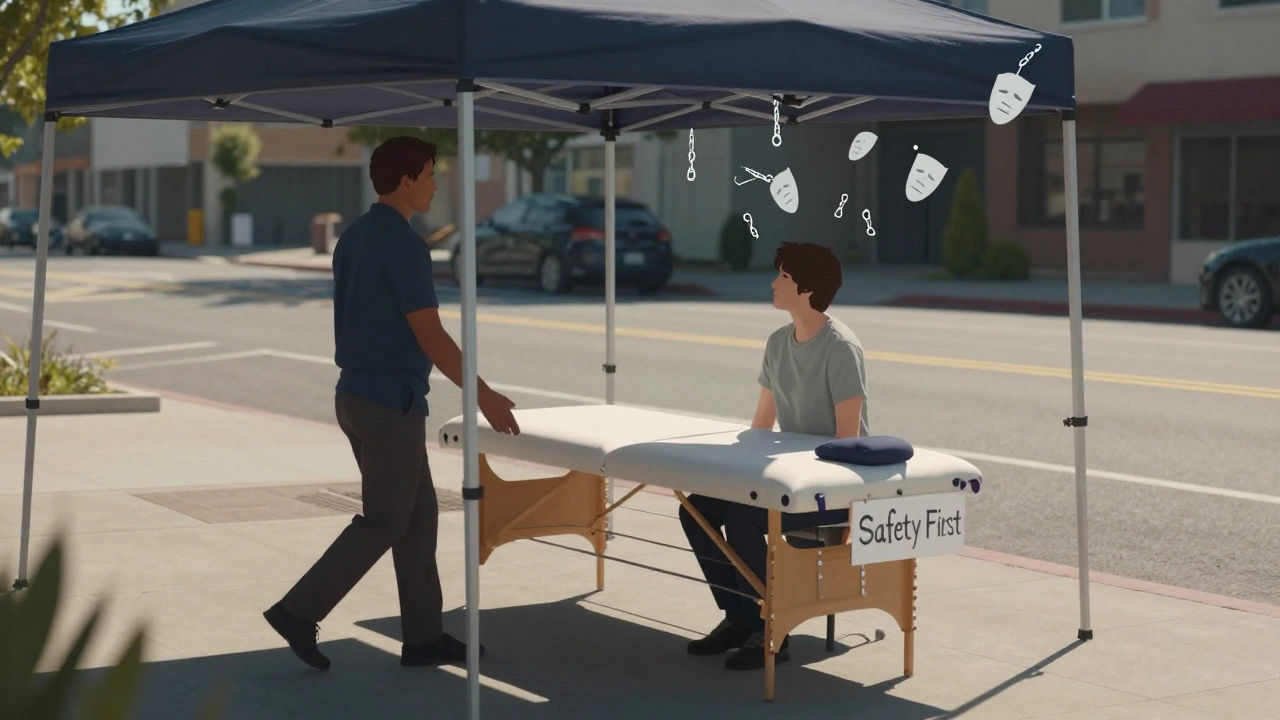
The providers who survived didn’t just follow rules. They innovated. One lawn care worker switched to offering virtual consultations. A tutor started recording short lessons and selling them online. A massage therapist began doing outdoor sessions under a canopy tent.
You didn’t need to become a tech expert. You just needed to ask: "What’s one small thing I can change to make this safer?"
That’s how you kept going. Not by being brave. By being smart.
And yes, some providers still used platforms like escrote paris to find work during lockdowns. It wasn’t the same kind of work, but it showed how people adapted-anywhere, anytime. The lesson? When one door closes, another opens, even if it looks strange at first.
What Happened After the Pandemic?
By late 2023, most restrictions were gone. But the habits stayed. Many providers still wear masks in enclosed spaces. They still prefer contactless payments. They still say no to unsafe requests.
The pandemic didn’t just change how we work. It changed how we think about safety. And that’s a shift that lasts.
Now, if you’re still working as a provider, ask yourself: Are you doing things the way you did in 2019? Or are you doing them the way you learned to do them in 2021?
The answer tells you everything you need to know.
And if you ever feel overwhelmed? Remember: you didn’t need to be a hero. You just needed to show up-and protect yourself while you did.
One final tip: keep your emergency contacts saved in your phone. Include your doctor, your local health line, and someone you trust. You never know when you’ll need them.
Stay safe. Stay sharp. Keep hustling.
What’s the most important safety step for service providers during a health crisis?
Wearing a well-fitted N95 or KN95 mask during every client interaction is the single most effective step. It reduces airborne transmission risk by up to 95% when worn correctly, according to CDC data from 2021. Combine it with hand hygiene and contactless payment, and you’ve covered the top three risks.
Can I refuse a job if the client won’t wear a mask?
Yes, absolutely. You have the right to decline any job that puts your health at risk. Many platforms now allow you to set safety filters. If yours doesn’t, simply say: "I’m sorry, but I can’t proceed without a mask. I hope you understand." Most clients respect boundaries when they’re stated clearly and calmly.
How do I know if I’ve been exposed to COVID-19 on the job?
If you had close contact (within 6 feet for 15+ minutes) with someone who later tested positive, you were likely exposed. Watch for symptoms like fever, cough, fatigue, or loss of taste/smell. Get tested 3-5 days after exposure, even if you feel fine. Asymptomatic spread was common during the pandemic, so testing was the only reliable way to know.
What should I do if I get sick while working as a provider?
Stop working immediately. Isolate yourself from others and get tested. Notify your clients and platform if you’ve had recent contact. Most platforms have policies for sick providers-they won’t penalize you for taking time off due to illness. Your health comes before income.
Are there still risks for providers in 2025?
Yes. While COVID-19 is no longer a global emergency, it’s still circulating. New variants emerge. Older adults and immunocompromised clients are still vulnerable. The habits you built during the pandemic-masking in crowded spaces, washing hands, staying home when sick-are still smart practices. They protect you and your clients.
Keep your eyes open. Keep your hands clean. And keep going. You’ve already proven you can handle more than you thought.